Turning Compassion Into Action at Local Food Banks
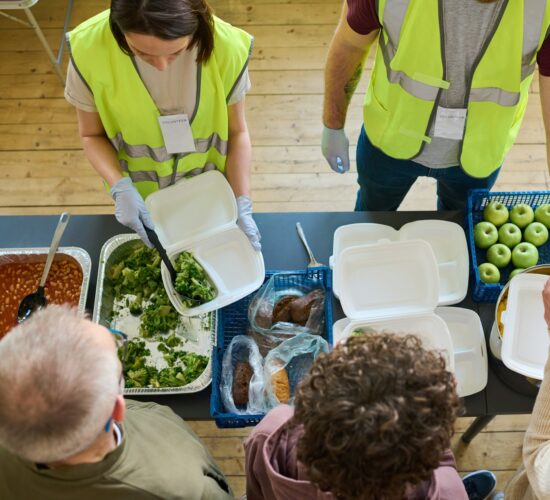
Food insecurity remains a serious challenge for millions of people across the United States. Many families struggle to afford nutritious meals because of rising grocery prices, unemployment, low wages, and increasing living expenses. Although government assistance programs and nonprofit organizations provide essential support, community involvement also plays an important role in addressing hunger. Through food insecurity volunteering, individuals can help families access healthy meals while building stronger and more supportive neighborhoods. Local volunteering offers practical opportunities for people of different ages and backgrounds to contribute their time, skills, and resources. Whether someone helps at a food bank, supports a community kitchen, or organizes a neighborhood food drive, every effort can make a meaningful difference in the fight against hunger.
Understanding Food Insecurity and Its Impact on Communities
Food insecurity occurs when individuals or households cannot consistently access enough affordable and nutritious food to maintain a healthy lifestyle. This problem does not always mean a complete lack of food. Some families regularly skip meals, reduce portion sizes, or choose inexpensive foods with limited nutritional value because they cannot afford healthier options. Children living in food-insecure households may experience difficulties with concentration, learning, and physical development. Meanwhile, adults may face increased stress and health concerns as they struggle to balance grocery expenses with housing, transportation, and medical bills. Food insecurity can affect both urban and rural communities, making it a widespread issue that requires attention and cooperation from individuals, organizations, and local leaders.
Why Local Volunteering Matters in the Fight Against Hunger
Local volunteering provides direct assistance to people experiencing food insecurity while helping nonprofit organizations expand their services. Food banks, community kitchens, and neighborhood food pantries frequently depend on volunteers to manage daily operations and distribute essential supplies. Without this support, many organizations would struggle to meet growing demands for food assistance. Community hunger relief programs also help connect people from different backgrounds and encourage residents to take responsibility for the well-being of their neighbors. Volunteering creates opportunities to understand the challenges faced by vulnerable families and develop greater empathy toward those experiencing financial hardship. When individuals contribute their time regularly, they help create reliable support systems that can strengthen community relationships and improve access to essential food resources.
Supporting Local Food Banks and Food Pantries
Food banks and food pantries are among the most important organizations addressing food insecurity at the community level. Food banks typically collect and distribute large quantities of donated food to smaller organizations, while food pantries provide groceries directly to individuals and families in need. Volunteers help sort donations, inspect food packaging, organize storage areas, prepare grocery packages, and assist with distribution. These responsibilities allow food assistance programs to operate more efficiently and serve additional households. Volunteers can also help create welcoming environments where visitors receive assistance with dignity and respect. Regular participation in local food bank programs ensures that essential services remain available to families facing unexpected financial challenges.
Organizing Community Food Drives to Support Families
Community food drives offer a practical way for schools, businesses, religious organizations, and neighborhood groups to support local hunger relief efforts. These events encourage residents to donate shelf-stable food items such as rice, pasta, canned vegetables, beans, and other nutritious groceries. Successful food drives begin with communication between organizers and local food assistance organizations to identify the items most urgently needed. Volunteers can promote collection events, coordinate donation locations, organize contributions, and arrange deliveries to nearby food pantries. In addition to collecting food, these activities increase public awareness of hunger and encourage people to participate in community service. When organized regularly, food drives can become valuable sources of support for households experiencing food insecurity.
Helping Community Kitchens Provide Nutritious Meals
Community kitchens and meal distribution programs provide prepared food to individuals who may not have enough resources to cook nutritious meals at home. These programs often serve older adults, people experiencing homelessness, low-income households, and others facing difficult circumstances. Volunteers contribute by preparing ingredients, cooking meals, serving food, cleaning dining areas, and organizing supplies. Beyond providing nourishment, community kitchens create opportunities for social interaction and emotional support. A warm meal served in a welcoming environment can help individuals feel respected and connected to their communities. Through consistent volunteer involvement, these programs can maintain regular meal services and respond to changing community needs.
Community Gardens as a Sustainable Approach to Food Security
Community gardens offer another effective way to improve local food access while encouraging sustainable practices. These shared spaces allow residents to grow fresh vegetables, fruits, and herbs that can supplement household groceries or support nearby food assistance programs. Volunteers help prepare planting areas, maintain garden beds, water crops, remove weeds, and harvest produce. Gardening projects also provide opportunities for children and adults to learn about nutrition, environmental responsibility, and food production. In neighborhoods with limited access to affordable fresh produce, community gardens can provide valuable additional food resources. Although gardening alone cannot eliminate food insecurity, it can strengthen local food systems and encourage greater cooperation among residents.
Encouraging Schools and Businesses to Participate
Schools and local businesses can make important contributions to reducing food insecurity by encouraging organized community involvement. Educational institutions can introduce students to volunteer activities through food collections, school gardening programs, and partnerships with nearby nonprofit organizations. These experiences help young people understand the importance of compassion, teamwork, and civic responsibility. Businesses can support hunger relief through employee volunteer programs, financial contributions, food donations, and partnerships with community organizations. Restaurants and grocery stores may also work with established food rescue programs to redirect safe surplus food to people who need it. When educational institutions, employers, and nonprofit organizations combine their resources, they can create stronger networks of assistance and increase community participation in hunger prevention.
The Personal and Social Benefits of Volunteering
Volunteering to address food insecurity benefits both the people receiving assistance and those providing support. Individuals who volunteer often develop stronger social connections, improve communication skills, and gain a deeper understanding of the challenges affecting their communities. Working with others toward a shared purpose can also create a sense of accomplishment and personal satisfaction. For students, volunteering offers practical experience in leadership, organization, and teamwork. Older adults may benefit from opportunities to remain active and engaged while sharing their experience with younger generations. Most importantly, volunteering encourages kindness and mutual respect, helping build communities where people feel supported during difficult times.
Overcoming Challenges That Prevent People From Volunteering
Although many individuals want to help reduce hunger, personal responsibilities and limited resources can make volunteering difficult. Work schedules, transportation problems, family commitments, and uncertainty about available opportunities may discourage participation. However, community organizations often provide flexible volunteer schedules that accommodate different lifestyles. Some programs offer weekend activities, short volunteer shifts, and occasional special events. Individuals who cannot participate in physical activities may still contribute through online fundraising, event coordination, administrative assistance, or community outreach. Even small contributions can support meaningful progress when they become part of an organized effort. Finding suitable opportunities allows more people to participate without placing unnecessary pressure on their daily responsibilities.
Building Long-Term Solutions Through Community Partnerships
Addressing food insecurity effectively requires more than temporary food donations. Communities must also consider the underlying causes of hunger, including poverty, unemployment, limited transportation, high living expenses, and unequal access to nutritious food. Strong partnerships among nonprofit organizations, local governments, schools, businesses, and community volunteers can help develop more sustainable solutions. These partnerships may support nutrition education, job training, improved food distribution, and connections to public assistance programs. Community leaders can also work with residents to identify local needs and develop solutions that reflect their experiences. By combining immediate food assistance with long-term planning, communities can improve food security and help families achieve greater financial stability.
How Individuals Can Get Started With Local Volunteering
Getting involved in local hunger relief does not require specialized experience or a large financial commitment. Individuals can begin by researching nearby food banks, meal programs, community gardens, and neighborhood organizations that accept volunteer assistance. Contacting these groups directly can provide information about available responsibilities, training requirements, and volunteer schedules. People should consider their personal interests and abilities when choosing an opportunity. Someone who enjoys cooking may prefer helping at a community kitchen, while an individual with organizational skills may enjoy coordinating food donations. Inviting friends, relatives, or coworkers to participate can make volunteering more enjoyable and encourage wider community involvement. Consistent participation, even for a few hours each month, can provide dependable support to organizations serving families in need.
Creating a Future With Better Food Access for Everyone
Reducing food insecurity requires continued effort, shared responsibility, and strong community relationships. Although one volunteer cannot solve every challenge associated with hunger, collective action can help provide meaningful assistance to people who need it most. Local organizations benefit when community members contribute regularly, share useful resources, and encourage others to become involved. Supporting food access initiatives also promotes greater awareness of the relationship between nutrition, health, education, and financial stability. As communities develop stronger partnerships and expand volunteer participation, they become better equipped to respond to food shortages and economic challenges. Every individual has the potential to contribute to positive change through practical and compassionate action.
Fighting food insecurity through local volunteering is a meaningful way to support vulnerable families and strengthen neighborhood connections. Food banks, community kitchens, food drives, and gardening programs provide valuable opportunities for residents to contribute their time and abilities. These efforts help improve access to nutritious meals while encouraging compassion, cooperation, and shared responsibility. By participating in local food insecurity solutions, volunteers can support immediate hunger relief and contribute to lasting community improvements. Small acts of service, repeated consistently and supported by strong partnerships, can help create a future where more families enjoy dependable access to healthy food.
Additional Information
- Blog
- Eddie Kohley