Finding a New Purpose After Military Service: A Guide to Civilian Life
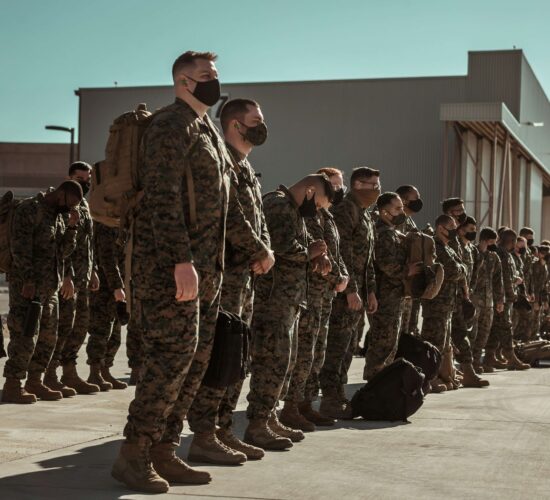
Leaving military service and entering civilian life is a major transition that brings both opportunities and challenges. After years of military routines, structured environments, and a clear mission, veterans may struggle to adjust to a different way of life. The move involves more than changing careers or finding a new home. It also requires emotional adjustment, personal growth, and new goals. With the right preparation, support, and mindset, veterans can build a rewarding civilian life while carrying forward the strengths they gained through military service.
Understanding the Challenges of Civilian Life
Military life provides structure, discipline, teamwork, and a strong sense of belonging. Service members often follow established schedules, understand their responsibilities, and work toward shared objectives. Civilian life, however, can feel less predictable. Individuals must make more independent decisions about employment, finances, relationships, and daily routines.
This sudden change can create uncertainty, especially during the first few months after leaving the military. Some veterans may feel disconnected from their previous identity or struggle to understand where they fit into their communities. Recognizing these challenges is an important first step toward a smoother transition. Adjusting takes time, and no single timeline works for everyone.
Building a New Career After Military Service
Finding meaningful employment is often one of the biggest priorities for veterans transitioning to civilian life. Although military experience develops valuable skills, translating those abilities into language that civilian employers understand can be challenging.
Leadership, problem-solving, communication, organization, and decision-making are useful in many industries. Veterans can apply these strengths to careers in technology, healthcare, logistics, public safety, education, and business management. The key is to identify transferable skills and explain how they support an employer’s goals.
Updating a resume, preparing for interviews, and building professional connections can improve job opportunities. Career counseling, veteran employment programs, and vocational training can also help individuals identify suitable career paths. Some veterans may benefit from earning certifications or pursuing additional education to meet industry requirements.
Rather than rushing into the first available position, veterans should consider their interests, long-term goals, and preferred work environment. A fulfilling career can provide financial stability, personal satisfaction, and a renewed sense of purpose.
Managing Finances and Planning for Stability
Financial planning plays an essential role in a successful transition to civilian life. Military service may provide a predictable income and established benefits, while civilian employment can introduce different payment schedules, insurance arrangements, and retirement options.
Creating a realistic budget helps veterans understand their expenses and prepare for income changes. Housing, transportation, healthcare, education, and family responsibilities should all be considered when evaluating financial needs. Building emergency savings, reducing unnecessary spending, and reviewing available benefits can provide additional security.
Veterans should also learn about the financial resources available to them. Depending on eligibility, these may include education assistance, disability compensation, housing support, and employment services. Understanding these programs can make it easier to plan for the future and avoid unnecessary financial pressure.
Protecting Mental Health and Emotional Well-Being
Adjusting to civilian life can affect emotional health as well as practical responsibilities. Some veterans experience stress, loneliness, anxiety, sleep difficulties, or uncertainty about their future. Others may miss the camaraderie and shared purpose that characterized their military experience.
Maintaining mental well-being starts with recognizing your needs and giving yourself time to adjust. Regular exercise, healthy sleep habits, meaningful hobbies, and open communication with trusted people can help reduce stress. Staying connected with fellow veterans may also provide reassurance and a sense of community.
Professional support can be valuable when emotional difficulties become overwhelming or interfere with daily life. Counselors, therapists, and veteran-focused support organizations can help individuals manage challenges and develop healthy coping strategies. Seeking help is a practical step toward building a stronger, more balanced life.
Strengthening Relationships and Finding Community
Military service can influence family relationships, friendships, and social connections. After leaving the service, veterans may need to rebuild routines with their partners, children, relatives, and friends. Family members may also require time to understand the changes that come with this new stage of life.
Honest communication can help everyone adjust to different expectations and responsibilities. Spending quality time together, discussing concerns, and establishing shared goals can strengthen relationships during the transition.
Building connections outside the military is equally important. Joining local organizations, volunteering, participating in community activities, or pursuing personal interests can connect veterans with people who share similar values. These experiences can create new friendships and help individuals feel more connected to their surroundings.
Creating a Meaningful Future Beyond Uniform
Civilian life gives veterans the chance to redefine success around their interests, values, and aspirations. The discipline, resilience, adaptability, and teamwork developed during military service remain valuable assets in this new chapter.
Setting realistic goals can make the transition more manageable. Whether you pursue higher education, start a business, develop a new skill, or spend more time with family, each step can strengthen your sense of direction. Progress may not always be immediate, but consistent effort can produce lasting results.
Moving from military service to civilian life is a journey of adjustment, discovery, and renewed purpose. By focusing on career development, financial stability, emotional well-being, and meaningful relationships, veterans can establish a fulfilling future. Military service remains an important part of their story, but it does not limit what they can achieve next.
Additional Information
- Blog
- civilian life, family responsibilities, military service
- Eddie Kohley